
World health organization
Working for a brighter, healthier future: How WHO improves health and promotes well-being for the world’s adolescents, Third edition
Report
14 May 2026
16 Jun 2023
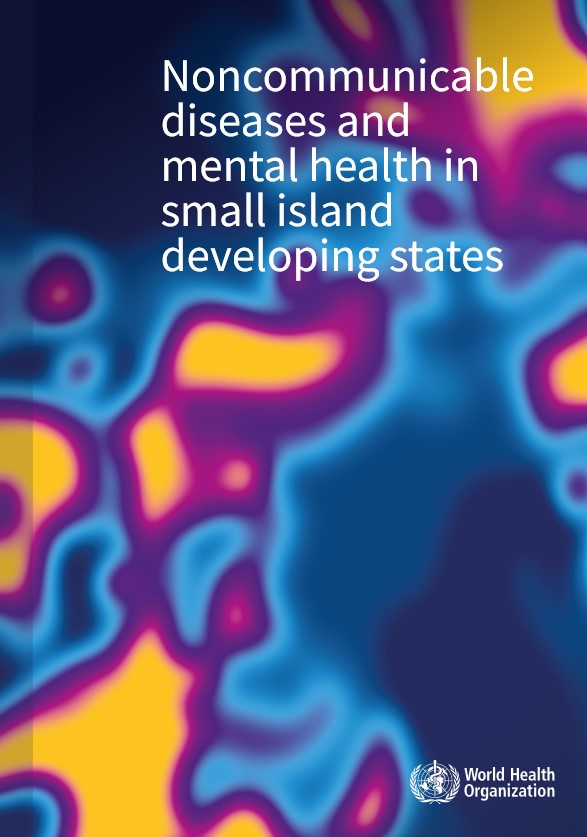
Small island developing states (SIDS) face unique challenges in preventing and managing noncommunicable diseases (NCDs) and mental health conditions. Key factors include geography, population size, climate change and food security.
SIDS also have diverse economic resources and institutional situations from which they address NCDs.
SIDS are disproportionately represented among the countries with the highest estimated risk of dying prematurely from any of the four main NCDs, although specific rates and challenges vary by country.
Within some areas of NCD prevention and management, SIDS face the same issues as non-SIDS peers. In others, such as diet, they face specific and usually increased levels of risk.
To respond more effectively, most SIDS need additional support in specific disease areas. Many also require support in overall capacity development, infrastructure investment and routine data collection for NCDs and mental health, including death registration.
Report
14 May 2026


Report
25 Mar 2026
Report
05 Feb 2026
Report
05 Feb 2026
